


You open our page of Yarns, and there they are. Seven hundred plus yarns, in every weight and fiber, and no idea where to start. That's normal.
The right yarn isn't about brand or price. It's about what you're actually making.
Here's a simple way to sort it out: pick your project below, and see the fiber and gauge to look for. Under each category you'll find a real yarn to check out, plus a shortcut to build a pattern in it.
| Project | Gauge | Fiber to look for |
|---|---|---|
| Socks | 27–31 sts | Wool with nylon |
| Baby | 21–26 sts | Superwash merino or merino-cotton blend |
| Colorwork | Varies | Non-superwash wool with grip |
| Mittens | 23–31 sts | Non-superwash wool with grip |
| Sweaters | Varies | Wool, mohair, or alpaca, depending on the look |
| Hats | 16–22 sts | Soft merino or merino-alpaca |
SOCKS
Socks take a beating. Your heel and toe hit the same spot every single day, and pure wool wears through faster than you'd think. Look for a yarn with wool plus a share of nylon, usually around 20 to 25 percent. The nylon is what lets a hand-knit sock survive the washing machine, year after year.
Gauge: sock yarn usually sits around 27 to 31 stitches per 10 cm (4 inches), the weight most people call fingering. That's thin enough for a sock to fit inside a shoe without bunching up.
We don't have one specific sock yarn to point you to yet, so start with the filtered browse below and pick the color that speaks to you.
See a selection of wool-nylon sock yarn →
BABY
Baby skin is sensitive, and anything itchy ends up back in the laundry basket no matter how cute it looked on the hanger. Go for a superwash merino or a soft merino-cotton blend. Superwash means the finished piece can go through a normal machine wash, which matters a lot when you're the one who has to explain hand-wash-only care instructions to new parents.
Gauge: most baby patterns fall in the sport-to-DK range, around 21 to 26 stitches per 10 cm. That gives you a light, breathable piece that won't weigh a baby down.
A few more good options in the same weight: Drops Baby Merino, Dale Baby Ull, and Sandnes Tynn Merinoull, all soft superwash merino wool.
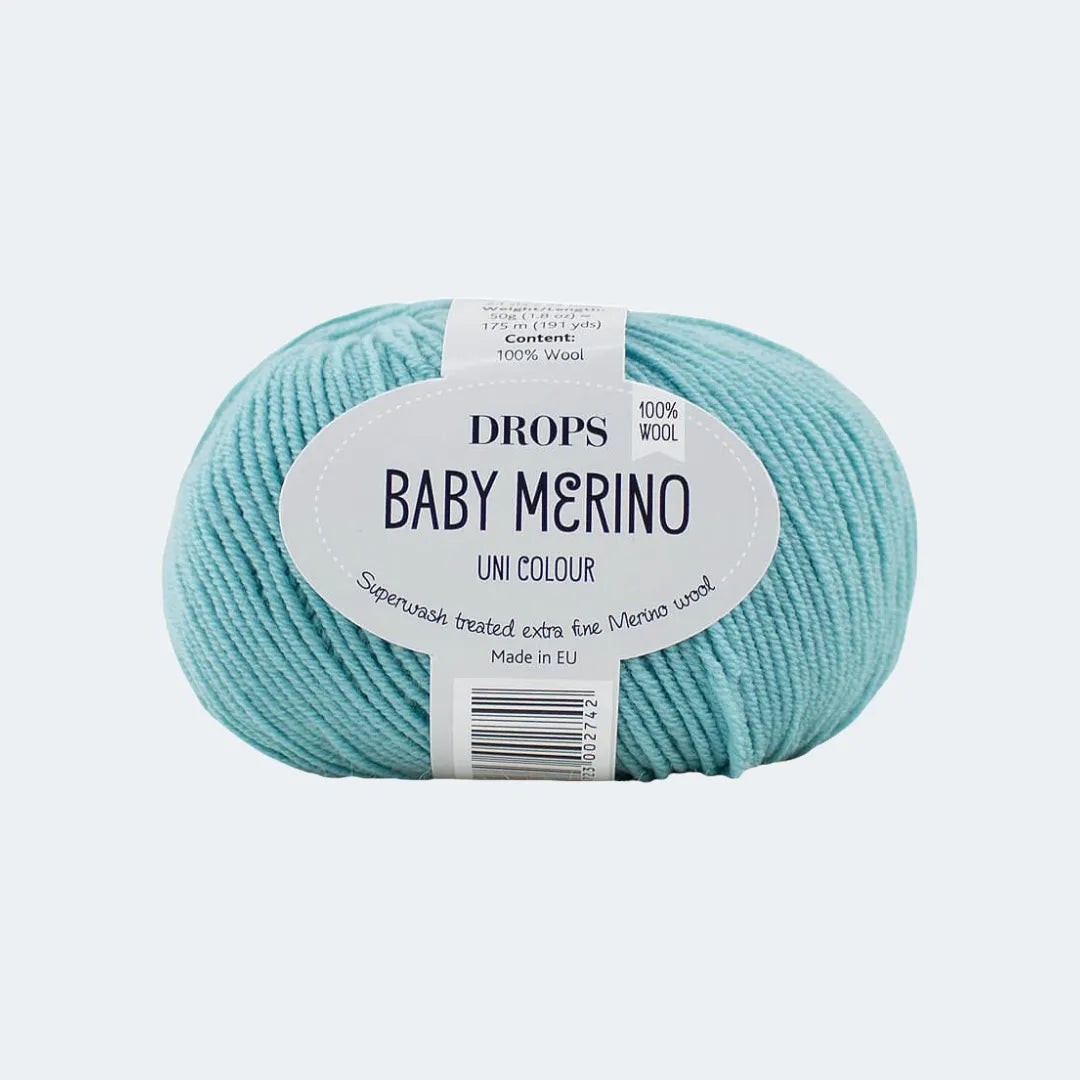 Drops Baby Merino24 sts/10 cm, 3 mm needles, 100% superwash merino wool
 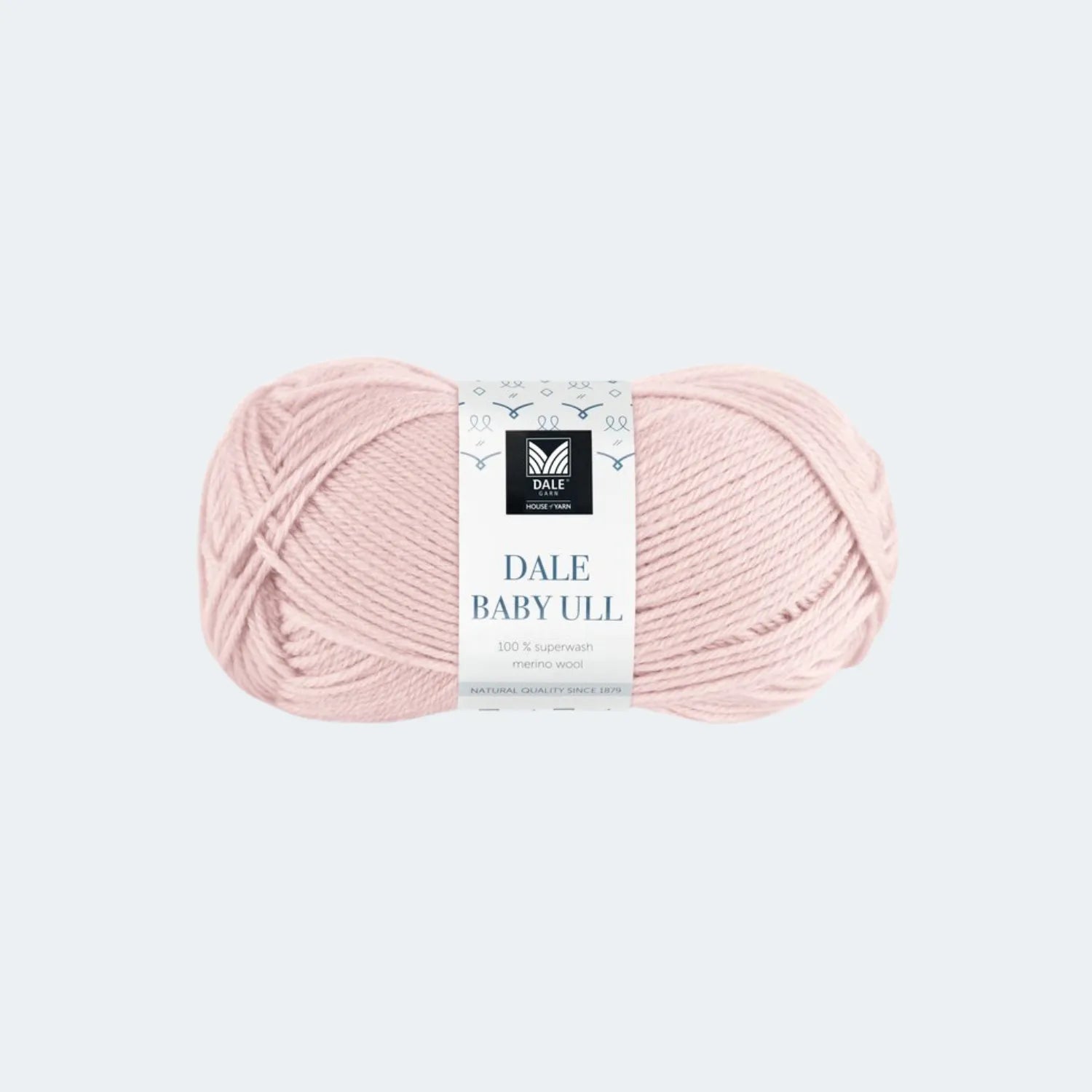 Dale Baby Ull28 sts/10 cm, 3 mm needles, 100% superwash merino wool
 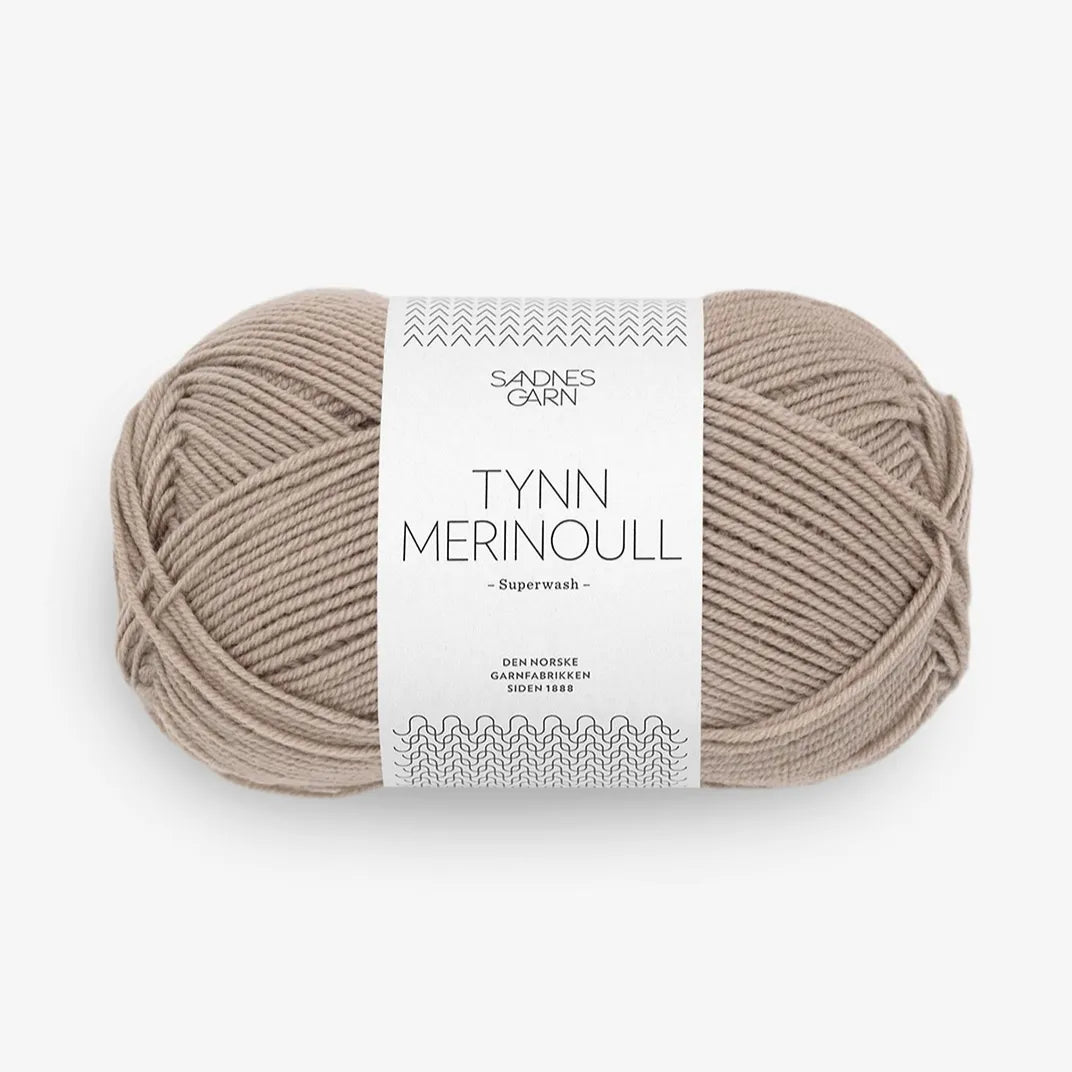 Sandnes Tynn Merinoull27 sts/10 cm, 3 mm needles, 100% superwash merino wool
See a selection of merino wool yarn in this gauge →
Design a pattern in this yarn →
COLORWORK
Knitting with more than one color asks something extra from the yarn: grip. Non-superwash wool has a natural, slightly hairy surface, and that texture is what keeps your stitches from sliding around while you knit and block. Superwash wool is smoother, which sounds nice until it lets a stranded pattern blur instead of staying crisp.
Gauge: it depends more on what you're making than on colorwork itself. Colorwork on mittens sticks to sport-fingering, around 23 to 31 stitches per 10 cm, since a small motif needs fine stitches to stay readable. A colorwork sweater can go chunkier, worsted to bulky, around 12 to 20 stitches per 10 cm, for a bold, graphic look that knits up fast, closer to an Icelandic-style yoke.
A solid starting point is Un-told Supreme Wool, Rauma Fivel, and Drops Nepal, all wool with the natural grip colorwork needs (Nepal is a wool-alpaca blend).
Want to draw the color chart yourself? With Dreamknit PRO, you can draw your own color chart directly in your design. You'll find it under Tools.
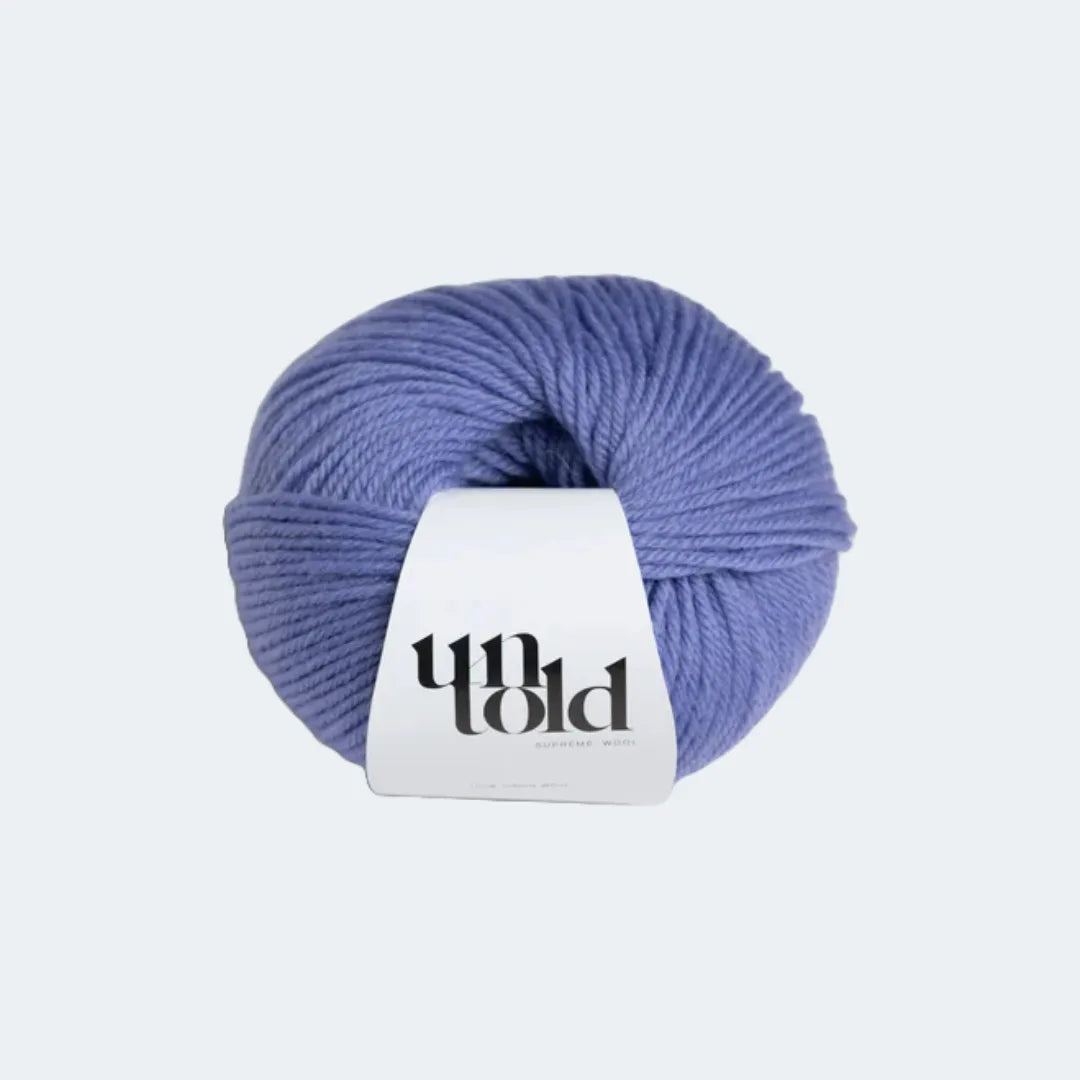 Supreme Wool18 sts/10 cm, 4.5 mm needles, untreated wool
 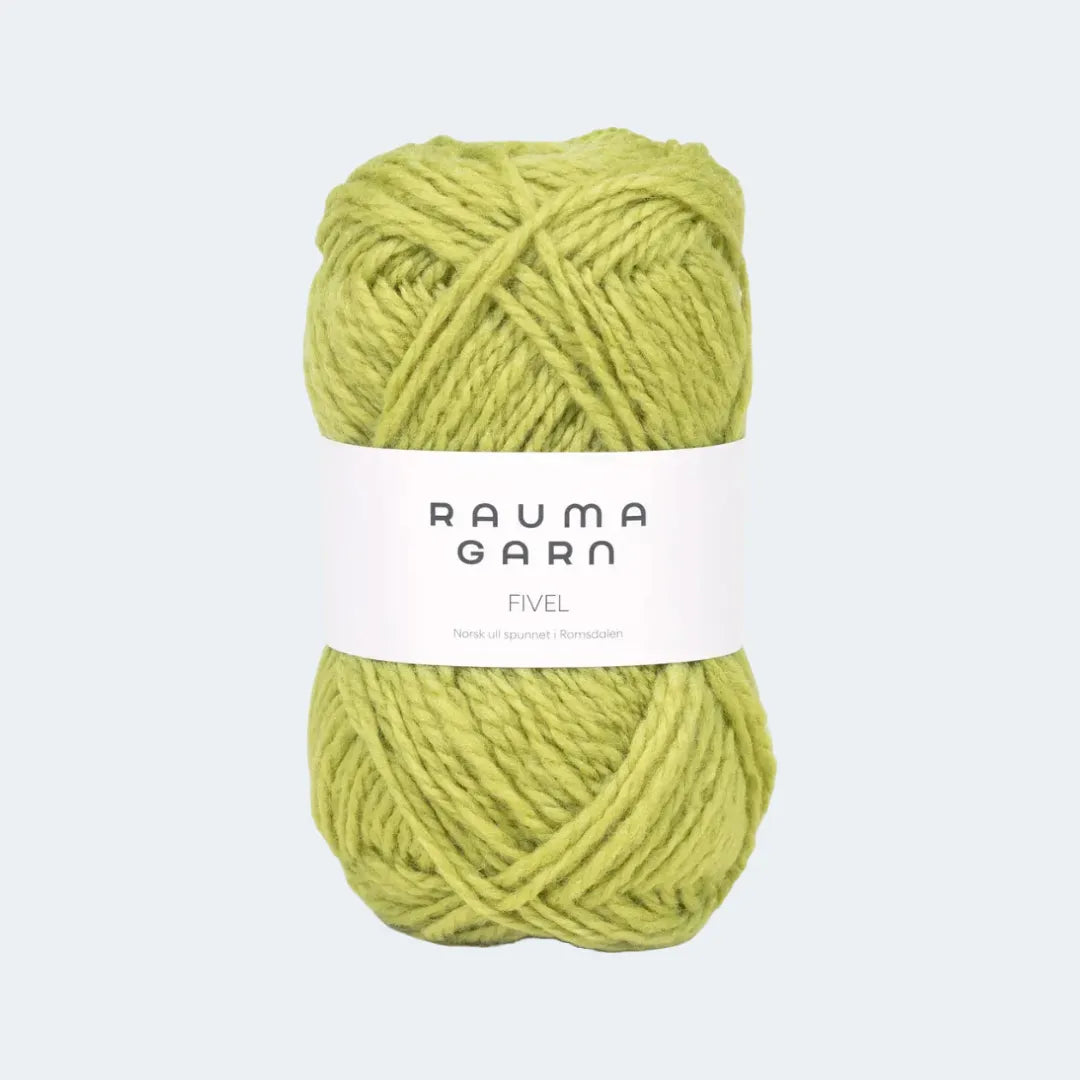 Rauma Fivel16 sts/10 cm, 5 mm needles, 100% wool
 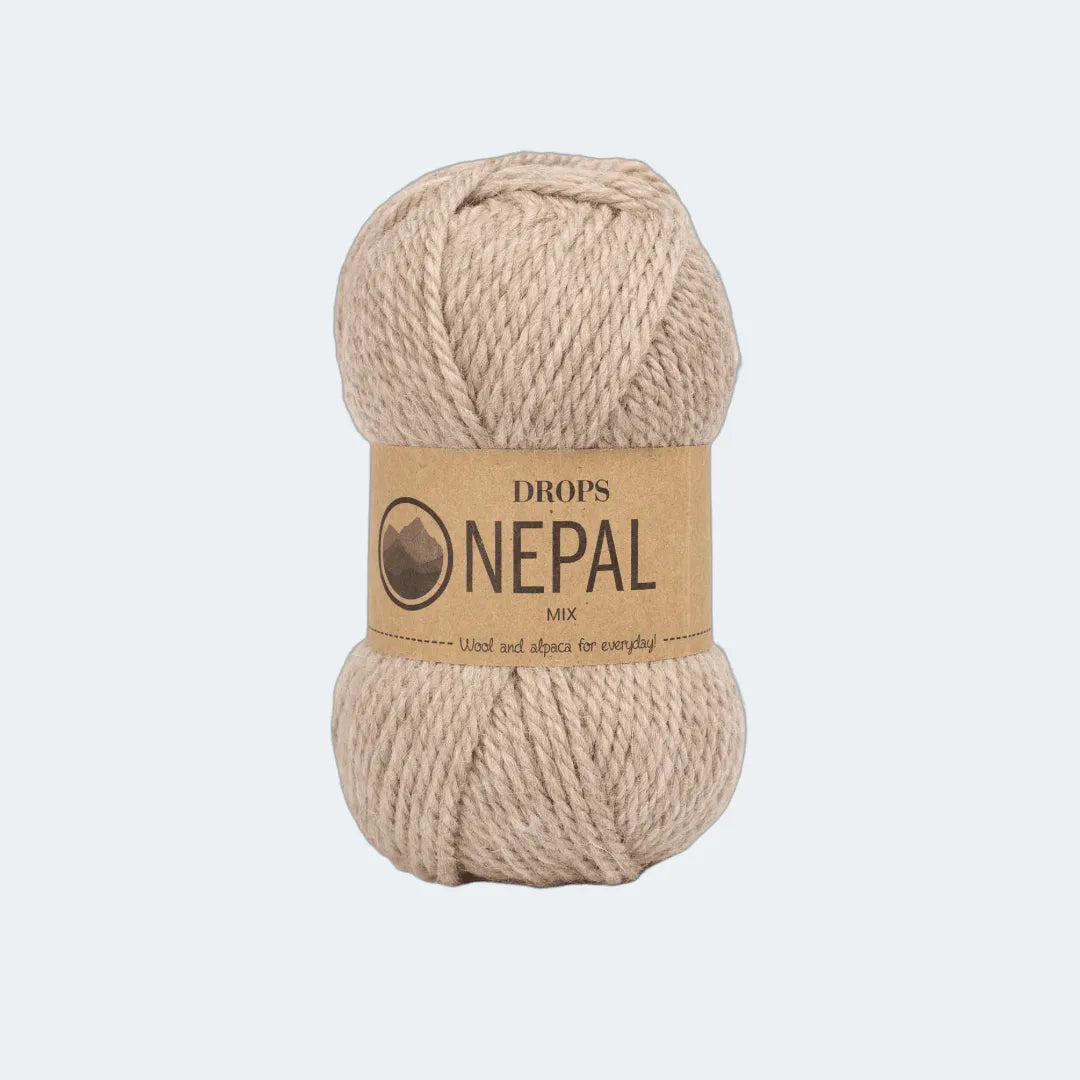 Drops Nepal17 sts/10 cm, 5 mm needles, wool/alpaca
Learn how to carry your yarn cleanly →
Learn how to build a color chart →
See what Dreamknit PRO includes →
MITTENS
For mittens, warmth matters, but so does durability. Your hands create a lot of friction, especially around the palms, thumbs, and fingertips, so very soft or loosely spun yarns can wear out surprisingly quickly.
Wool is usually the best all-round choice. A multi-ply, non-superwash wool has enough grip to create a dense fabric, holds its shape well, and can even felt slightly with wear. For mittens that will see a lot of use, a wool blend with a little nylon can add extra durability.
For colorwork mittens, look for a wool with good stitch definition and a bit of grip. Fingering and sport weight yarns work especially well for detailed motifs, while the floats on the inside add an extra layer that can make the finished mittens warmer.
If warmth is more important than fine details, you can go thicker. DK or worsted weight wool will give you a chunkier, warmer mitten and usually makes for a quicker knit too.
In short: choose a yarn that is warm, springy, and durable enough to handle friction. Save the ultra-soft yarns for projects that get a little less wear.
Supreme Wool18 sts/10 cm, 4.5 mm needles, untreated wool 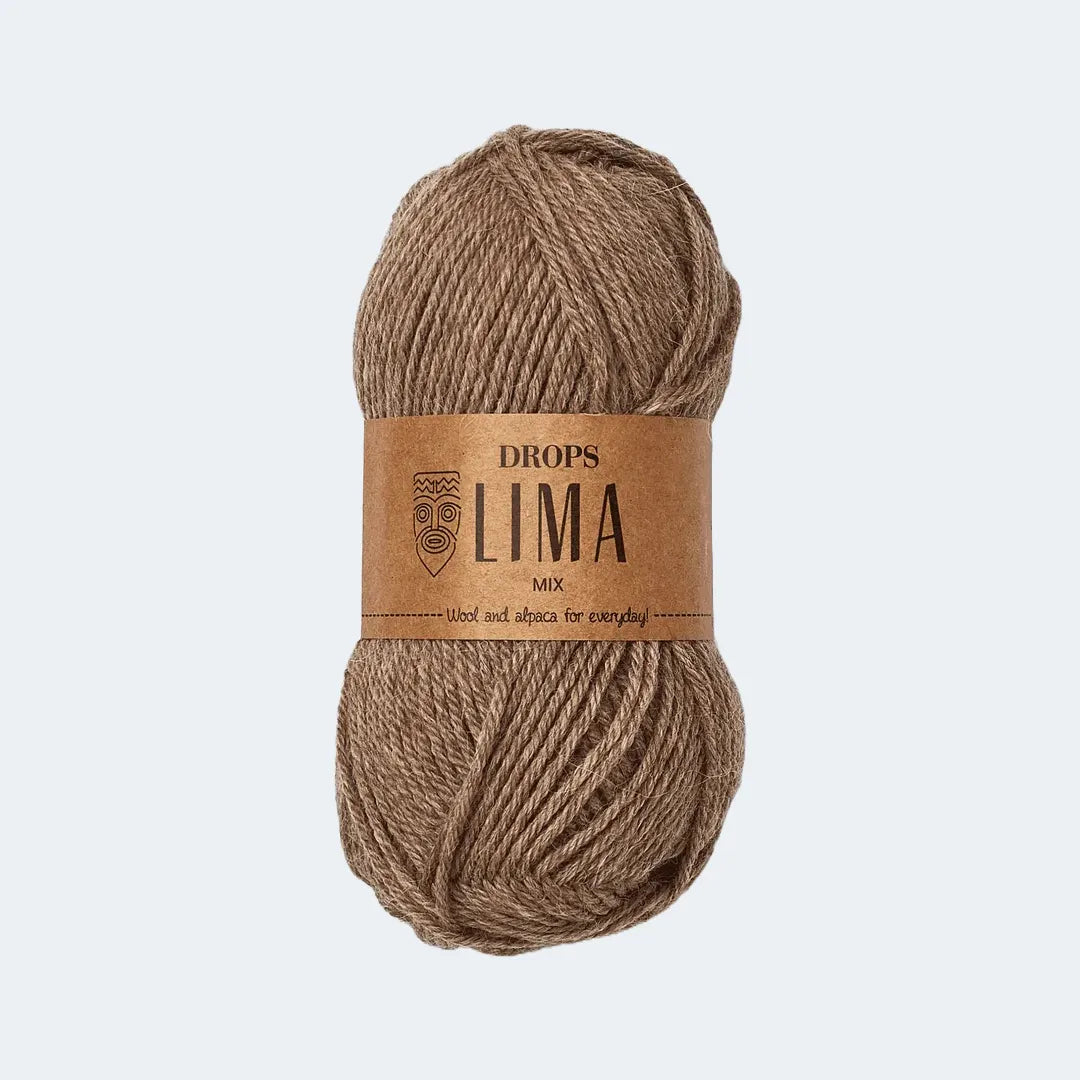 Drops Lima21 sts/10 cm, 4 mm needles, wool/alpaca
 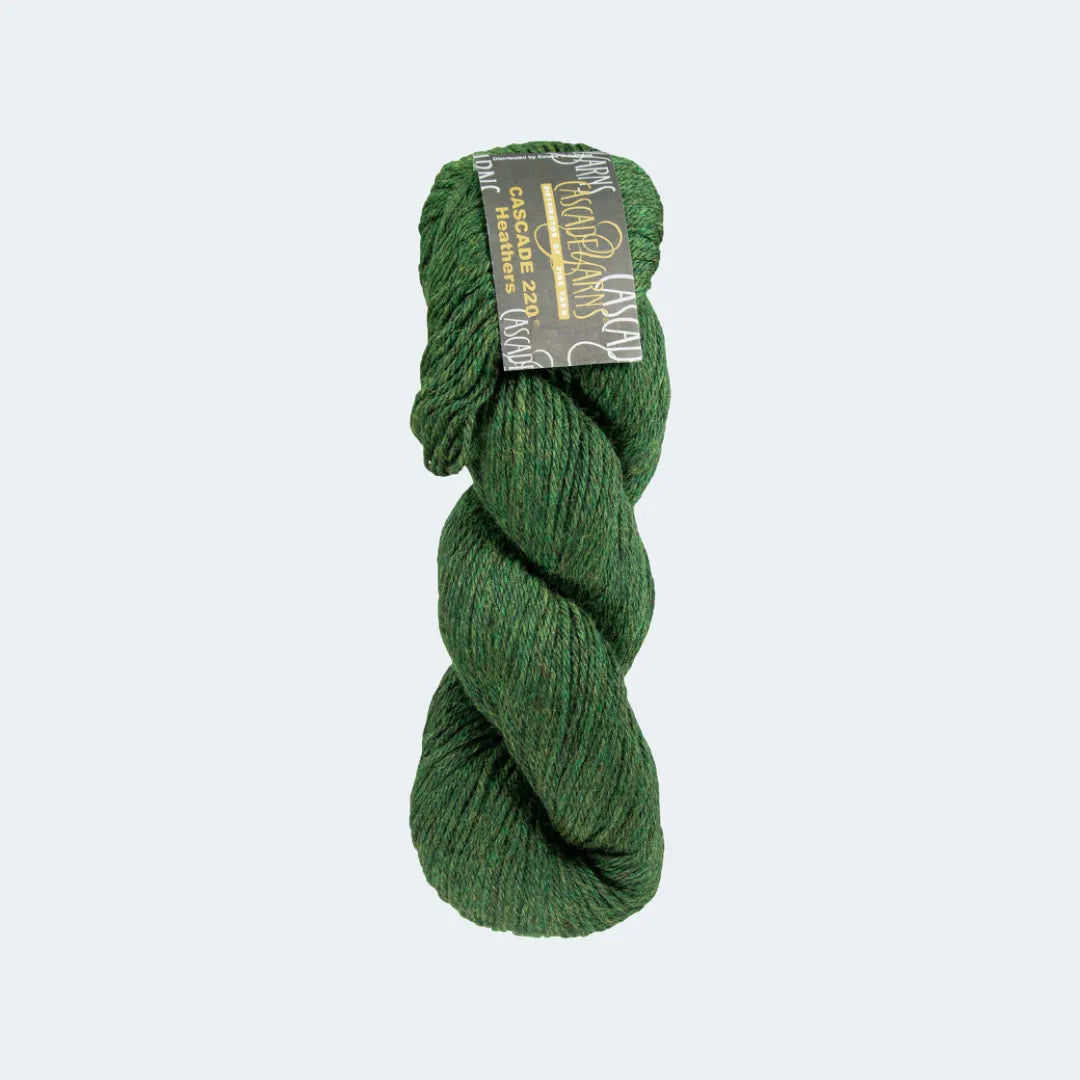 Cascade 22019 sts/10 cm, 4.5 mm needles, 100% wool
Build your own mitten pattern →
SWEATERS
A sweater's yarn does more work than any other project on this list, since it decides how the whole thing feels to wear. Pick the look you're after.
Warm and sturdy
The everyday sweater you'll live in. A structured worsted-to-aran wool holds its shape wash after wash and knits up warm without much bulk. Worsted to aran, around 16 to 22 stitches per 10 cm.
Peer Gynt is a great pick here, a 100 percent Norwegian wool with enough body for a warm, reliable sweater.
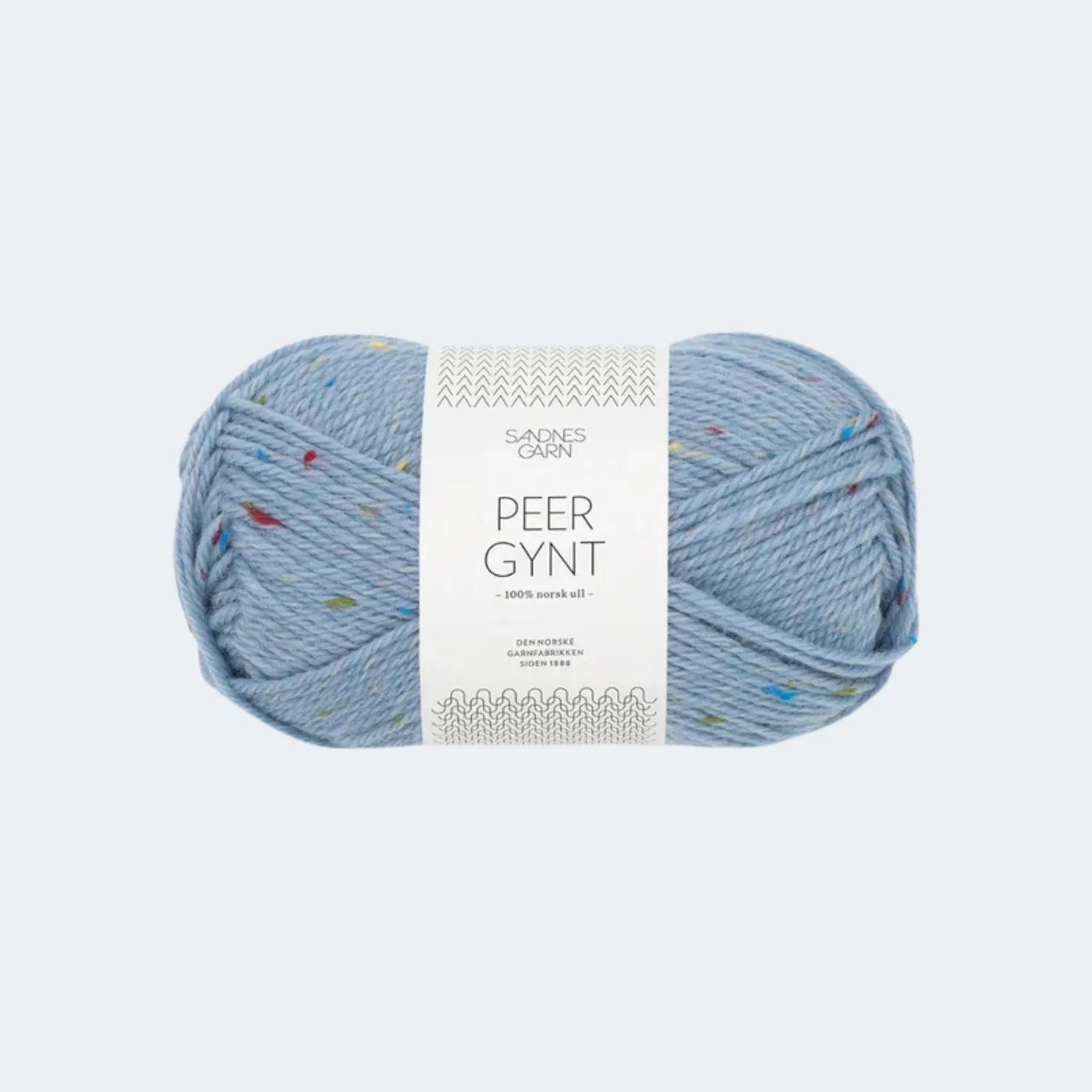 Peer Gynt22 sts/10 cm, 3.5 mm needles, 100% Norwegian wool
 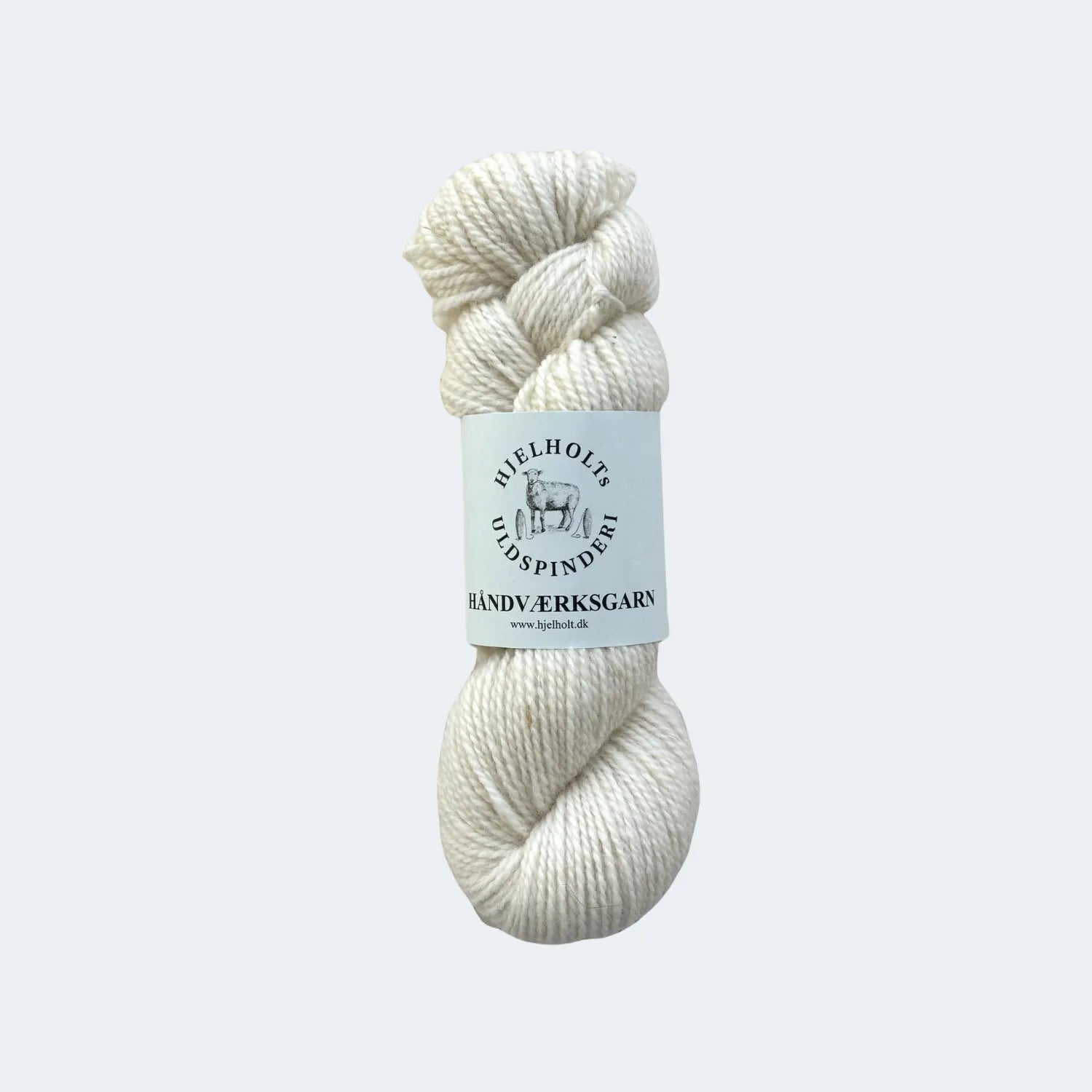 Håndværksgarn17 sts/10 cm, 5 mm needles, wool/merino wool blend
Light and airy
For a sweater with movement, not bulk. A fine wool or a soft mohair adds drape instead of standing stiff, closer to fingering-sport weight, around 23 to 27 stitches per 10 cm.
Hip Mohair is a good match, a soft, airy mohair yarn that layers well over a base color.
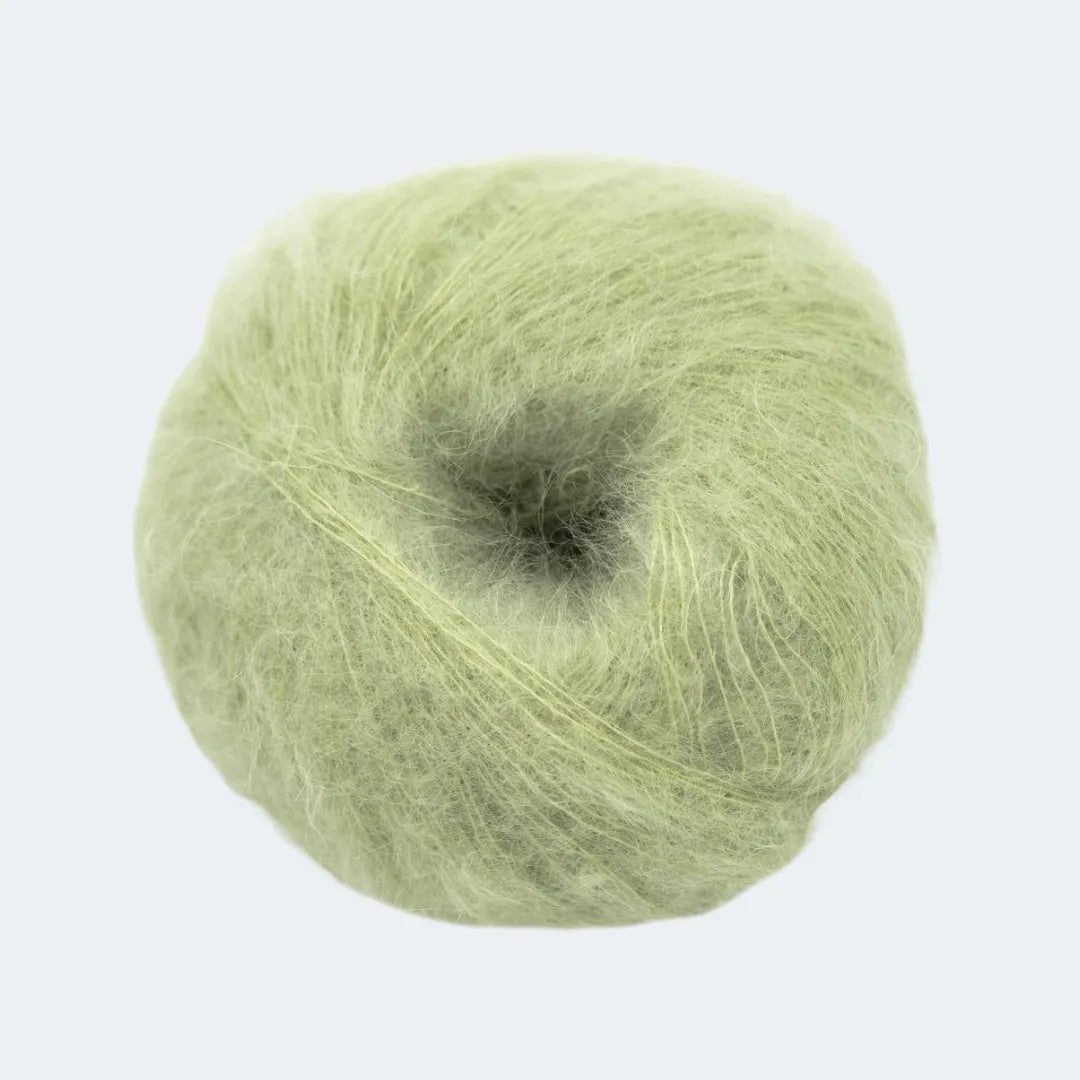 Hip Mohair28 sts/10 cm, 3.5 mm needles, mohair
 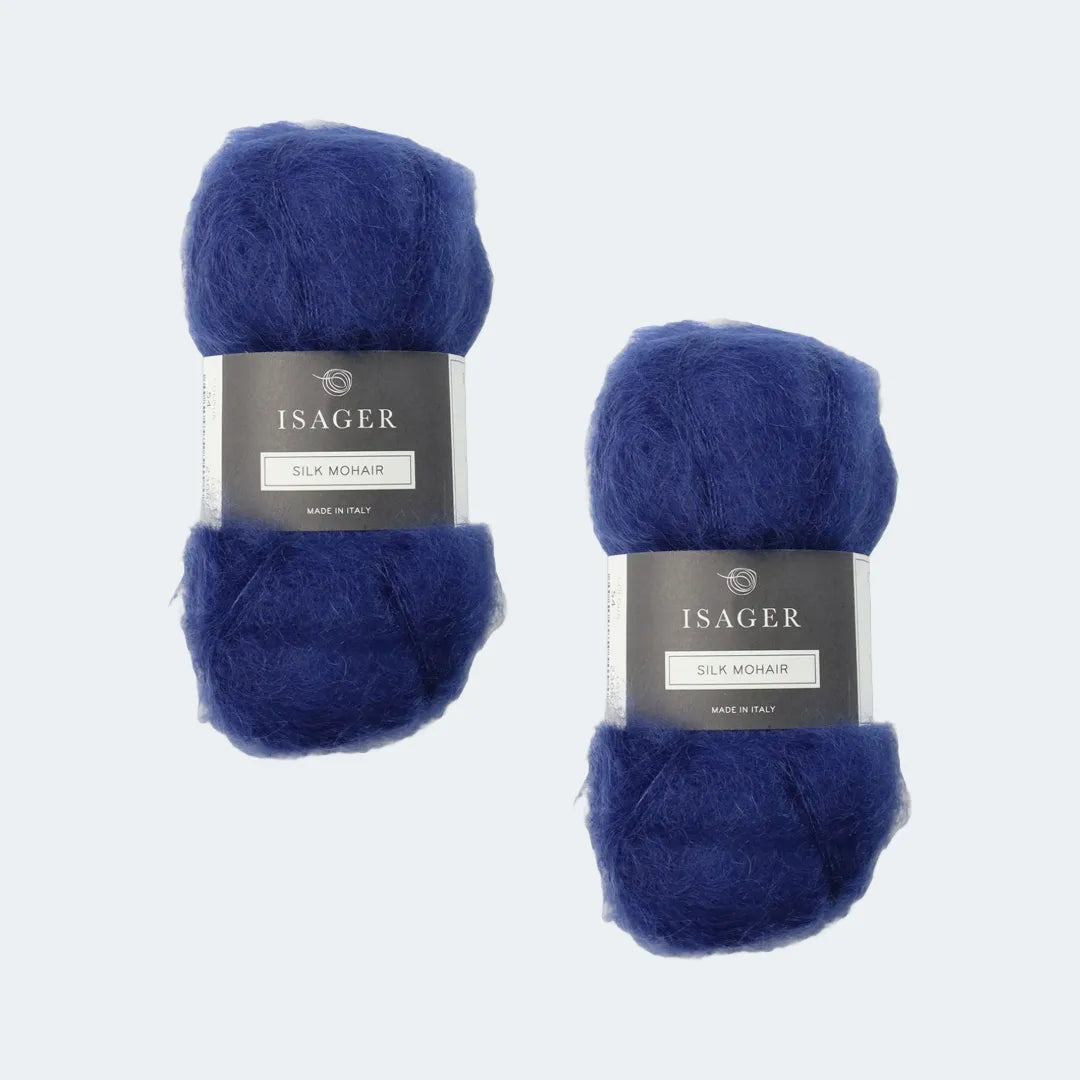 Silk Mohair + Silk Mohair20 sts/10 cm, 4 mm needles, mohair/silk, held together
Chunky and fluffy
The fastest sweater you'll knit. A big, soft bulky or super bulky yarn, often alpaca or brushed, knits up in a weekend and wears like a hug. Around 10 to 15 stitches per 10 cm.
Sandnes Tynn Peer Gynt held together with Børstet Alpakka is a good match here, a brushed wool-alpaca combination that knits up soft and fast.
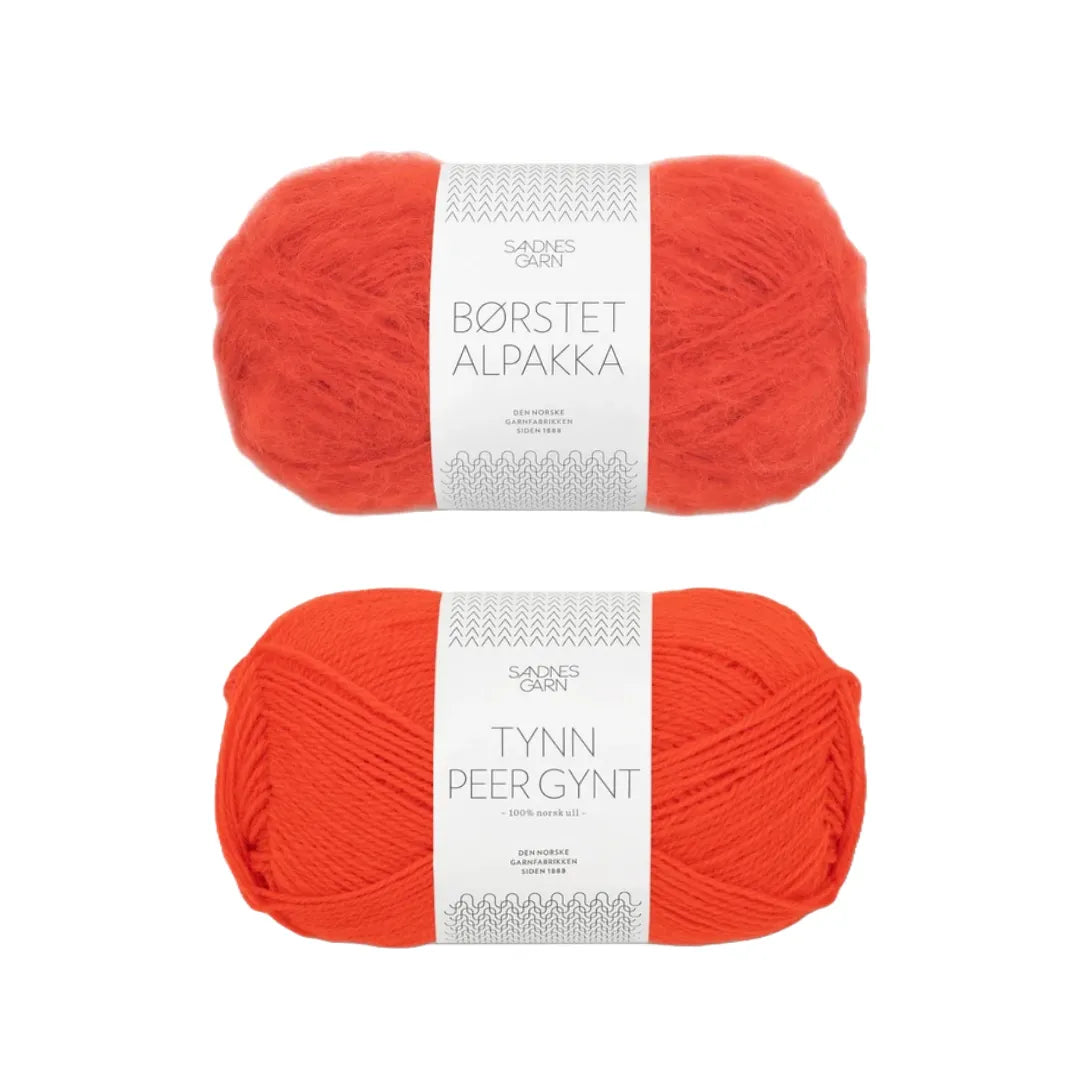 Tynn Peer Gynt + Børstet Alpakka15 sts/10 cm, 5 mm needles, wool/brushed alpaca, held together
 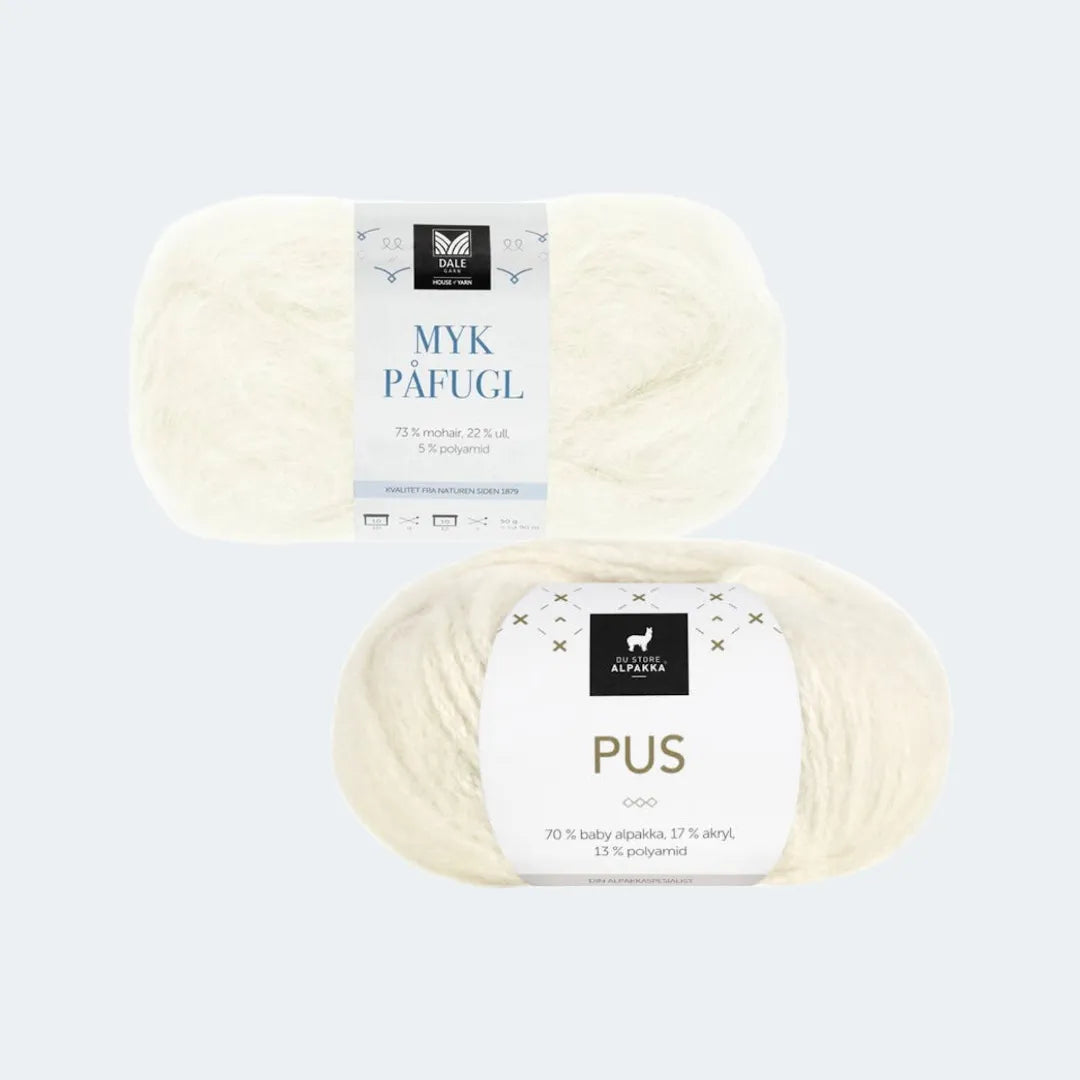 Pus + Påfugl in Paris13 sts/10 cm, 8 mm needles, alpaca/mohair, held together
Or start with the filtered browse below for more chunky options.
See a selection of chunky yarn →
Not sure what the different weights mean in practice? Read our yarn weight guide, or see how our pattern generator works before you start.
See how our pattern generator works →
BEANIES
A beanie sits directly against your forehead and ears, so this is one project where softness really matters. At the same time, you want enough elasticity for the hat to stretch over your head and bounce back into shape.
Wool and merino are great all-round choices. They're warm, breathable, and naturally elastic, while merino is especially good if you want something soft against the skin. Wool blends with alpaca or mohair can add extra warmth and fluff, but keep in mind that fibers with lots of drape may not hold a fitted shape quite as well on their own.
Yarn weight mostly comes down to the kind of beanie you want. Fingering and sport weight yarns create lighter, more detailed hats and work well for colorwork. DK is a versatile middle ground, while worsted and bulky yarns give you a thicker, warmer beanie that knits up quickly.
If you're knitting ribbing, cables, or other textured stitches, choose a yarn with good stitch definition and enough bounce to keep the fabric from becoming too floppy.
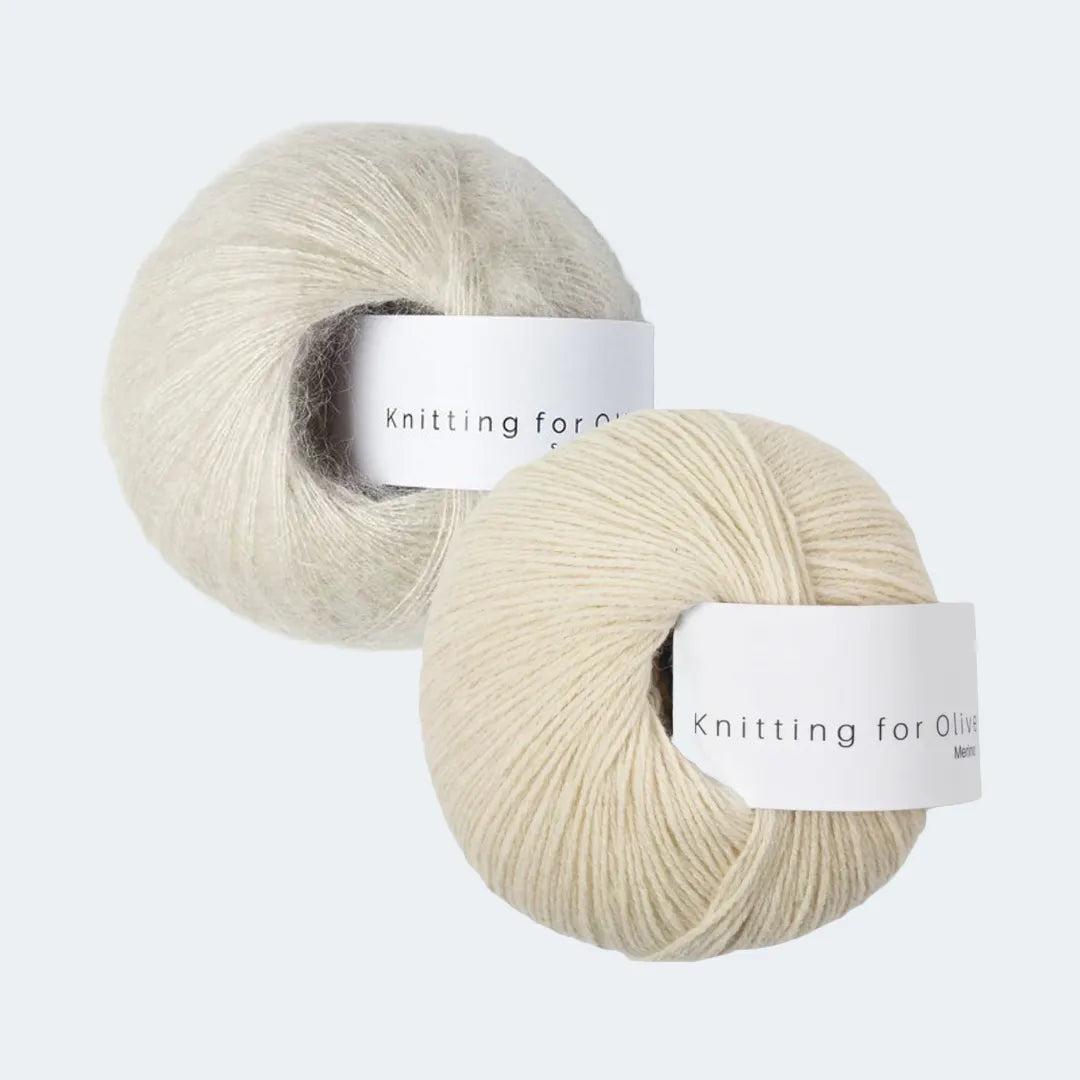 Merino + Soft Silk Mohair21 sts/10 cm, 4 mm needles, merino wool/mohair/silk, held together
 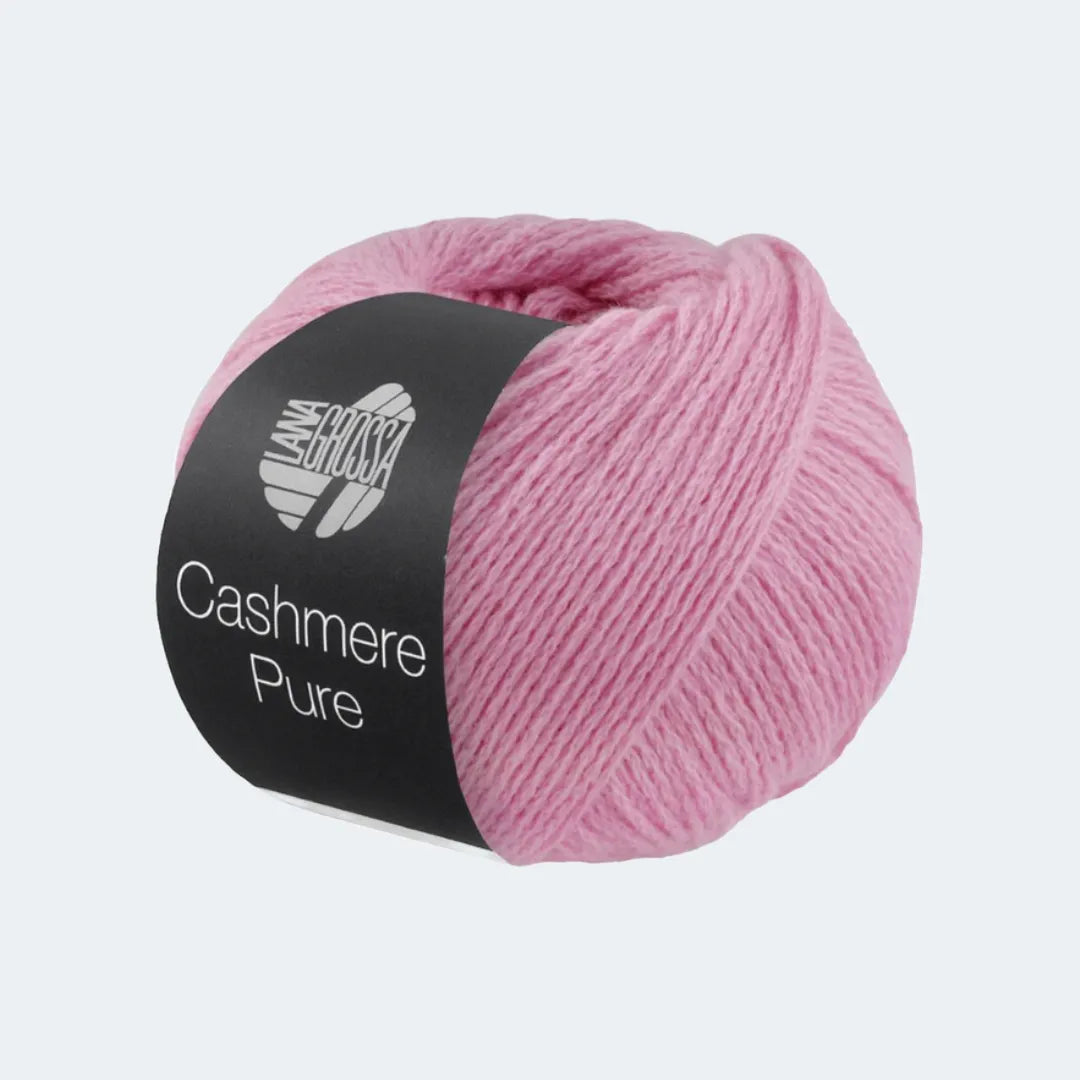 Cashmere Pure21 sts/10 cm, 4.5 mm needles, 100% cashmere
 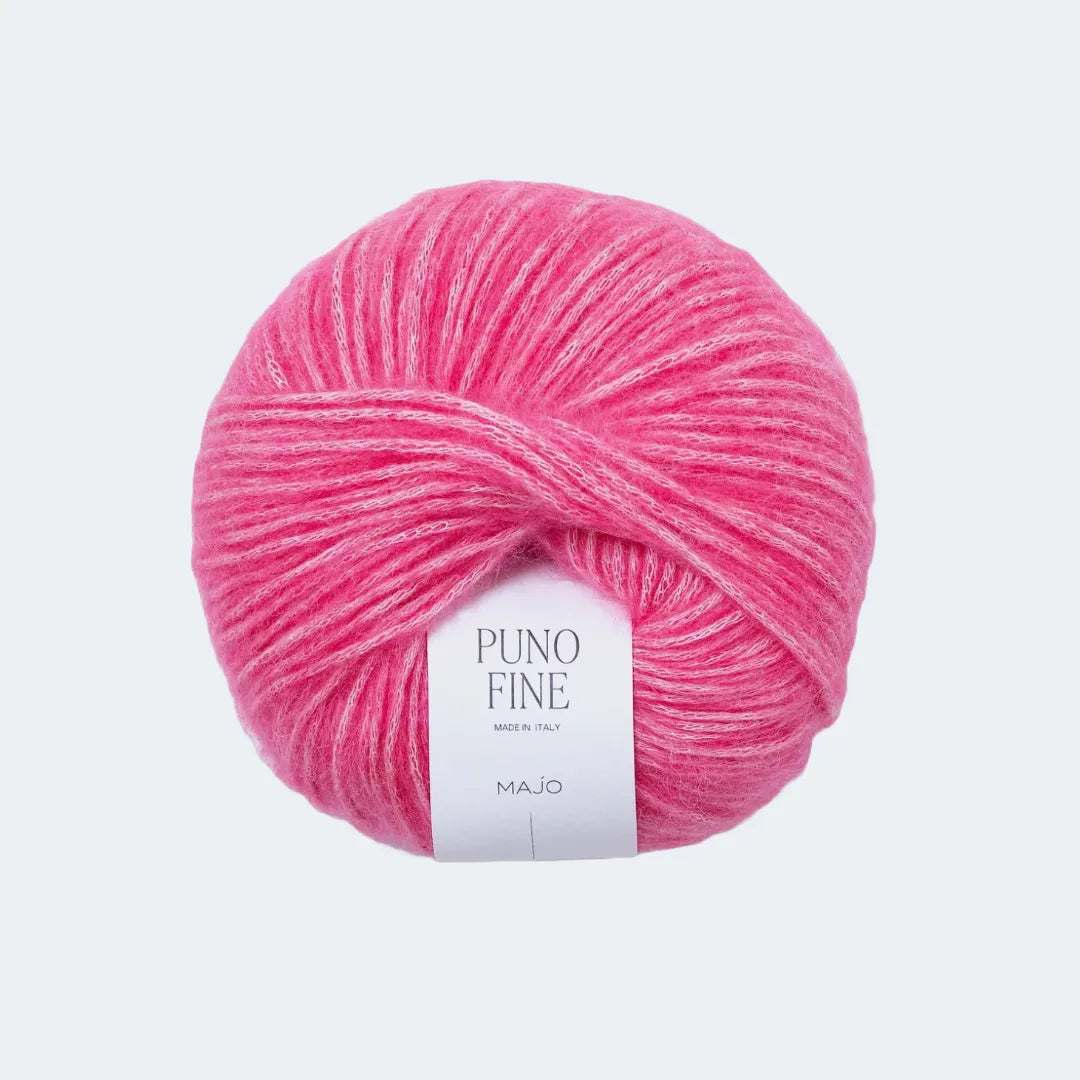 Puno Fine18 sts/10 cm, 4.5 mm needles, alpaca/merino/cotton blend
FAQ 🤔
Can I use a different yarn than the pattern calls for?
Yes, as long as the gauge matches. Check the gauge number in the pattern, match it against the yarn you want to use, and always knit a gauge swatch first. If you're trying to substitute a specific yarn you already have, our guide to yarn substitutes by gauge walks through it.
What's the difference between fingering and DK?
Fingering is a thinner yarn, usually 27 to 32 stitches per 10 cm, and gives you a finer, lighter finished piece. DK is thicker, around 21 to 24 stitches per 10 cm, and knits up faster into something warmer. Not sure what weight your yarn actually is? Our yarn weight guide breaks it all down.
Do I need superwash for baby knits?
Not strictly, but it makes life easier for whoever's doing the laundry. Superwash yarn handles a normal machine wash, while non-superwash wool usually needs hand washing. For something that gets dirty daily, superwash is simply more practical.
How do I know if a yarn has enough grip for colorwork?
Look for non-superwash wool. It has a naturally hairy surface that helps stitches grab onto each other while you knit stranded patterns, unlike the smoother finish on superwash yarn.
Whatever you're making, the right yarn is never far from a finished pattern. Jump into our design tool, pick your yarn, and get started.
